
Agroecology

Agroecology

Food insecurity is one of the most pressing daily realities for refugees and host community members alike. Live in Green's agroecology programme equips farmers and students with the techniques and knowledge to grow more food, protect the land, and build long-term food security.

Sustainable Farming

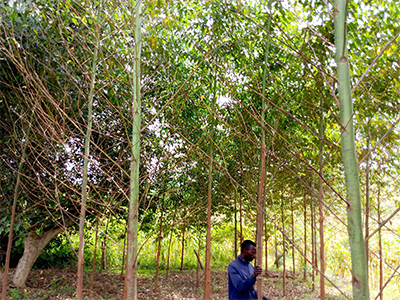
We train communities in eco-friendly agricultural practices including agroforestry, grafting of fruit trees, nursery bed preparation, organic composting, and integrated crop management. By pairing agricultural training with tree planting and soil restoration, we create systems that produce food and restore ecosystems simultaneously.

Our Achievements

Seedlings

1.8 million+ tree and fruit tree seedlings distributed since 2016

Reforestration

32+ hectares of degraded land restored through community-led reforestation

farmers

Organic compost produced and distributed to participating farmers

Agroforestry

School-based agroforestry demonstrations established in Kyaka II settlement schools

Agroforestry

Youth trained in nursery management, tree grafting, and sustainable land use

Completed

Our Past Projects

Over the years, LIVE IN GREEN has implemented high-impact projects in partnership with global donors and local stakeholders.

pic5

1. Promoting Peaceful Co-Existence Through Sustainable Energy and Agroforestry

📅 April 2017 – March 2020 💡 Funded by UNHCR Youth Initiative Fund This landmark project enhanced peaceful coexistence in Kyaka II by increasing access to sustainable energy and expanding green cover. We trained youth, set up a standard tree nursery, and distributed over 1.5 million seedlings to schools, churches, youth groups, NGOS, and farmers, laying the foundation for lasting environmental restoration and social cohesion.
Waste management

4. Strengthening Resilience Through Local Disaster Risk Reduction (DRR)

📅 2019 – 2021 🌍 Consortium: Oxfam, JESE, CSBAG & LIVE IN GREEN 💶 Funded by European Union Trust Fund This multi-district project strengthened land use planning, established 37.5 hectares of woodlots, and introduced energy-saving cooking technologies in Isingiro and Kyegegwa. It also trained 24 Natural Resource Committees, building long-term community capacity in environmental governance